
The Real Cost of Opening a BuyBackX Franchise: What to Budget For
June 27, 2026
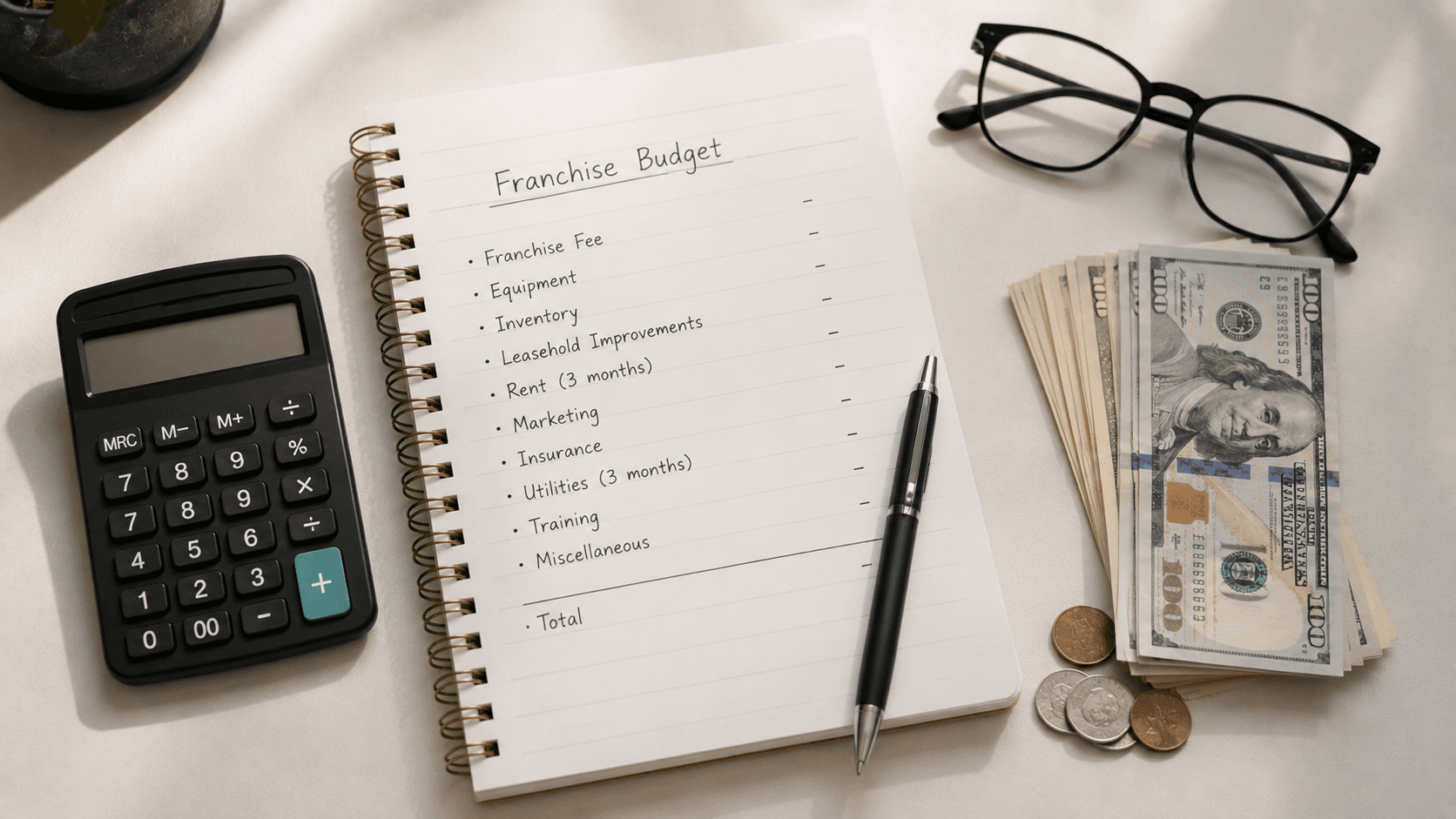
Thinking about opening a BuyBackX franchise? The smartest first move is knowing the real cost before you sign anything. This guide breaks down every expense you should budget for, from the upfront franchise fee to the working capital that keeps your doors open until the store turns a profit.
Why the "Total Cost" Is More Than One Number
Most people ask one question first: how much does a BuyBackX franchise cost? The honest answer is that it is a range, not a single figure.
Your total investment depends on your location, your store size, and your local market. The same brand can cost far more to open in a busy city than in a smaller town, mostly because of rent and build-out.
So instead of chasing one magic number, it helps to break the cost into clear buckets. That way you can build a realistic budget and avoid surprises later.
The Upfront Costs to Open a BuyBackX Franchise
These are the expenses you pay before your store ever opens. They cover your right to run the franchise and everything needed to get the space ready.
1. The Initial Franchise Fee
This is a one-time payment to the franchisor for the right to use the brand, the systems, and the training. Across the franchise industry, initial fees commonly run from around $20,000 to $50,000, though they vary by brand.
The fee usually covers your initial training, access to the proprietary pricing tools, and early setup support. For the exact BuyBackX figure, always check the Franchise Disclosure Document (FDD), which lists it in Item 7.
2. Build-Out and Store Setup
For any physical store, the build-out is often the single largest cost. This includes renovation, fixtures, counters, signage, and security for handling devices and cash.
Because rent and construction swing so much by market, this number is hard to pin down without a specific location. A retail space in a high-traffic area costs more, but it can also bring in more walk-in customers.
3. Equipment and Technology
A recommerce store runs on tools, not just shelves. You will need testing and diagnostic equipment, point-of-sale systems, computers, and the standardized pricing technology that keeps offers consistent.
This tech-first setup is part of what makes the model work. It lets you price devices accurately without years of personal electronics experience.
4. Initial Inventory
Here is where BuyBackX differs from many retail franchises. You do not pay heavy wholesale costs to stock shelves, because inventory mostly comes from customers selling their devices.
Still, budget for some starting inventory and the cash float you need to actually buy devices from customers on day one. That float is essential, since every buyback is both a purchase and a future resale.
5. Legal, Licensing, and Permits
Before opening, you will need business licenses, local permits, and a lawyer to review the FDD. Engaging a franchise attorney is strongly advised so you fully understand the terms before signing.
These costs are easy to overlook, but they protect you. Skipping proper legal review is one of the most common mistakes new franchisees make.
The Ongoing Costs You Need to Plan For
Opening the store is only half the picture. These recurring costs keep the business running and growing.
Royalty fees. Most franchises charge ongoing royalties, often in the range of 4% to 12% of revenue. Check the FDD for the exact BuyBackX rate.
Marketing fees. Many brands collect a marketing or advertising fee to fund national and regional campaigns.
Rent and utilities. Your monthly lease, power, internet, and insurance are fixed costs you pay no matter the sales volume.
Payroll. Staff wages are usually one of the biggest recurring expenses once you hire help.
Technology and software. Ongoing access to the pricing engine and store systems may carry a recurring cost.
Don't Forget Working Capital
This is the budget item new owners underestimate most. Working capital is the cash cushion that covers your expenses before the store becomes profitable.
Industry guidance suggests planning for six to twelve months of operating runway. Some franchises take more than a year to break even, and a few never do, so a healthy reserve is not optional.
In practice, the owners who succeed treat working capital as a core part of the budget, not an afterthought. It is what keeps the lights on while you build a local customer base.
How to Find the Exact BuyBackX Numbers
General ranges help you plan, but you need precise figures before you commit. There are two reliable ways to get them.
First, request and read the Franchise Disclosure Document. Item 5 covers the franchise fee, Item 6 covers ongoing fees, and Item 7 lays out the full estimated initial investment.
Second, talk to current franchisees. They can give you real-world numbers, share what surprised them, and point out ways to keep startup costs down. This kind of due diligence is the single best way to budget accurately.
How Owners Finance a Franchise
You do not always need the full amount in cash. Several financing paths are common among franchisees.
SBA loans are popular because they offer competitive terms and lower down payments, and they can cover fees, equipment, and working capital. Some franchisors also offer financing or vendor arrangements, and traditional banks and lenders provide franchise loans too.
The right mix depends on your finances and goals. A franchise-savvy accountant can help you structure funding without overextending yourself.
Frequently Asked Questions
Do I need electronics experience to own a BuyBackX franchise?
No. The model relies on standardized systems, pricing tools, and training designed to support owners without a technical background. Strong local marketing and steady operations matter more than prior tech knowledge.
What is the biggest cost when opening a franchise?
For most brick-and-mortar stores, build-out and rent are the largest single costs, followed by working capital. The franchise fee, while significant, is usually a smaller slice of the total investment.
How long until a BuyBackX franchise becomes profitable?
It varies by location and how well the store is run. Many franchises take several months to over a year to break even, which is exactly why a strong working capital reserve is so important.
Where can I find the exact franchise fee and costs?
The Franchise Disclosure Document is your source of truth. Items 5, 6, and 7 detail the franchise fee, ongoing fees, and the full estimated initial investment for the brand.
Can I finance the startup costs?
Yes. Many owners use SBA loans, franchisor financing, or third-party lenders to cover part of the investment. The best option depends on your budget, credit, and long-term plan.
The Bottom Line
The real cost of opening a BuyBackX franchise comes down to four buckets: the franchise fee, build-out and equipment, ongoing fees, and working capital. Build your budget around all four, not just the headline fee, and you will plan with confidence instead of guesswork.
Ready to see the exact numbers for your market? Request the BuyBackX Franchise Disclosure Document, speak with current owners, and start your franchise application to find out if a territory is open near you.